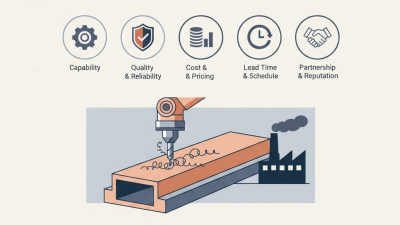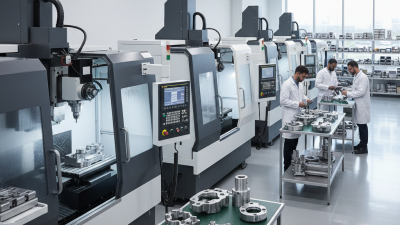
In the world of manufacturing, especially when things are so competitive, really understanding the ins and outs of Cnc Machined Copper Extrusionsis super important. I mean, experts like James Turner—he’s a top engineer over at Precision Alloys Inc.—keep stressing that quality is key. I remember he once said, “Getting the precision right in Cnc Machined Copper extrusions can truly make or break your project.” It kind of hits home, right?
More and more, international buyers are hunting for high-quality copper extrusions tailored to their needs. As tech keeps moving forward at lightning speed, making sure you’re using the right machining techniques and materials is absolutely crucial. Companies need to be on the lookout for suppliers who genuinely focus on accuracy and toughness, because that’s what makes all the difference.
Today, figuring out who the real deal is can be pretty tricky. Some suppliers might lure you in with low prices, but then cut corners on quality. Trustworthy vendors, on the other hand, often proudly showcase their use of advanced methods and skilled craftsmanship. Finding that sweet spot between cost and quality is still one of the biggest challenges in the industry—no two ways about it.
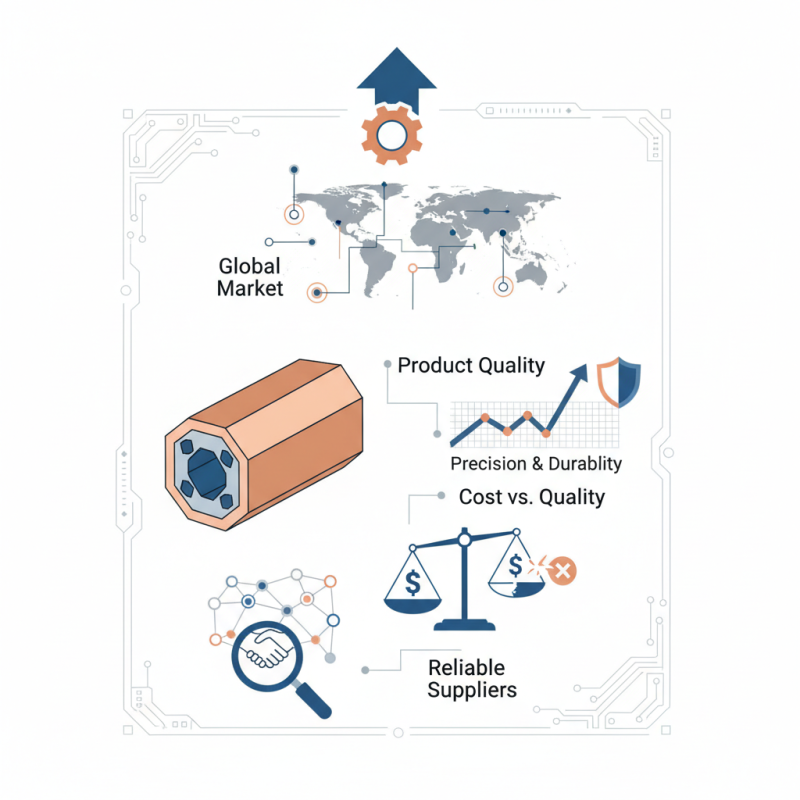
As we head into 2026, the landscape of CNC machined copper extrusions is shifting. Global markets are observing an increasing demand for high-precision components. According to a recent report by Grand View Research, the global CNC machining market is projected to reach $100 billion by 2028, with significant contributions from copper extrusion sectors. This trend is primarily driven by the growing need for lightweight and efficient materials in automotive and aerospace industries.
The rise in demand brings challenges. Manufacturers must ensure the quality of their products while managing production costs. Implementing stringent quality control measures can mitigate risks associated with defects. In 2025, around 15% of companies reported issues with tolerance levels in their copper extrusions. This reveals an opportunity for improvement in processes, further emphasizing why regular audits and training are crucial.
Tip: Regularly update your machinery and training programs. A well-equipped team can adapt swiftly to market changes. Also, consider sustainability. Many buyers favor eco-friendly practices. Adopting green technologies can enhance your brand’s reputation. Being proactive can position businesses favorably in this evolving marketplace.
CNC machined copper extrusions are crucial in various industries. The quality of these products heavily depends on several factors. Understanding these factors is essential for global buyers seeking top-notch materials.
One primary factor is the choice of copper alloy. Alloys impact the mechanical properties of the final product. According to a 2022 industry report, over 40% of manufacturers noted that alloy composition significantly influenced durability and electrical conductivity. Selecting the right alloy ensures reliability in critical applications.
Another important aspect is machining accuracy. Precision in CNC machining plays a vital role in the overall quality. Deviations from specified tolerances can lead to increased scrap rates. A recent study highlighted that a 0.01 mm error can reduce performance by 15%. Such findings stress the need for high-quality equipment and skilled operators to achieve optimal results.
Investing in advanced technology and training can improve these parameters. However, achieving perfection remains a challenge. Regular assessments and adjustments are necessary to ensure consistent quality. Global buyers must recognize these nuances to make informed purchasing decisions.
CNC machined copper extrusions are gaining traction across various industries in 2026. These components are essential in sectors such as electronics, automotive, and construction. The precision of CNC machining ensures that copper parts are crafted to exact specifications, enhancing performance and durability.
In the electronics industry, for instance, copper extrusions are vital for efficient heat dissipation. This characteristic is crucial for maintaining optimal performance in devices. Automotive manufacturers also leverage CNC machined copper for wiring and connectors, where reliability is paramount. However, the challenge lies in balancing costs with quality. Some industries find themselves struggling to maintain supply chains and ensure consistent standards.
Construction companies utilize these extrusions for plumbing and electrical applications. The versatility of copper allows for innovative designs. Nevertheless, the environmental impact of copper extraction is a concern. While copper is recyclable, the process of obtaining it raises ethical questions. As industries adapt, they must reflect on these complexities while meeting growing demands.
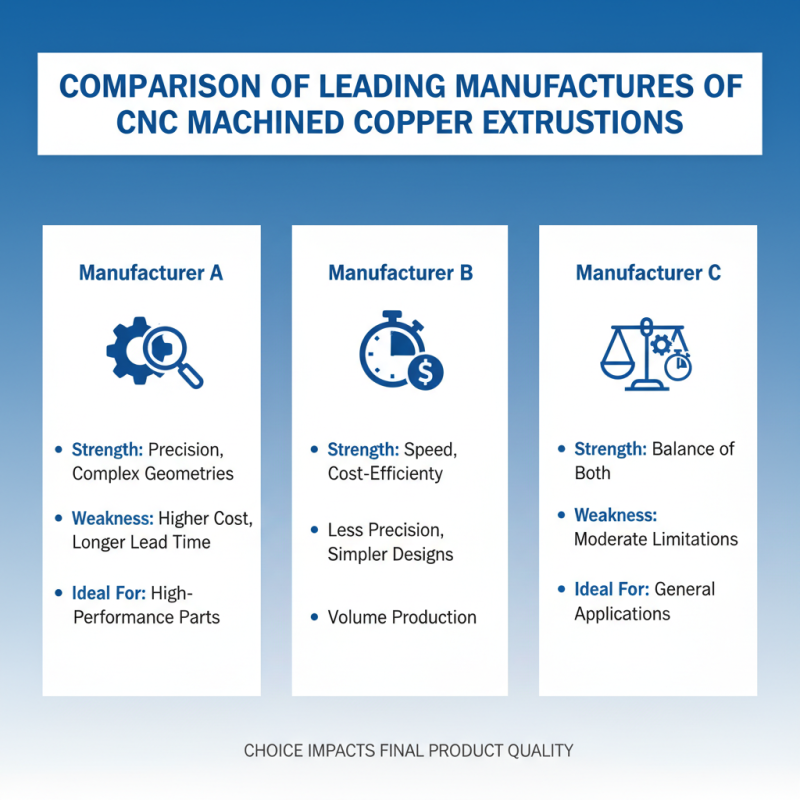
In the realm of CNC machined copper extrusions, manufacturers play a crucial role. Evaluating leading players reveals their strengths and weaknesses. Some manufacturers excel in precision and complexity, while others prioritize speed and cost-efficiency. The choice ultimately impacts the final product quality.
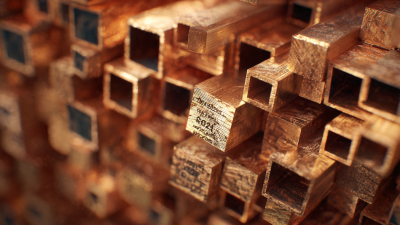
The production of Copper Bar Extrusions requires skilled craftsmanship and innovative technology. Some companies incorporate advanced machinery to enhance output. However, this can lead to inconsistencies in quality control. It's essential for global buyers to conduct thorough research before making decisions.
Buyers should also consider materials sourcing. The purity of copper directly affects durability. Many manufacturers boast high-grade materials, but claims require verification. Testing samples may uncover discrepancies. The competitive market for copper bar extrusions poses challenges and opportunities for buyers navigating their options.
In 2026, buyers seeking high-quality CNC machined copper extrusions should focus on several key performance metrics. Precision is paramount. It affects the overall quality of the parts produced. Tight tolerances are essential for fit and function in assembly applications. A tolerance of just a few microns can make a significant impact on performance, especially in technical fields.
Material integrity must not be overlooked. The copper used should have minimal impurities to ensure optimal conductivity. Higher purity levels can enhance the performance of electrical components. Durability is also crucial. CNC machined copper extrusions should withstand wear and tear while maintaining structural integrity. Testing for stress resistance can reveal weaknesses in production.
Buyers should evaluate the surface finish of the extrusions. A smoother finish can lead to better thermal performance. Lastly, consider the machined copper's ability to resist corrosion. This factor plays a significant role in longevity. It's challenging to achieve these metrics consistently. Regular audits and updates to manufacturing processes can help overcome these hurdles. Investing time in quality assurance is vital for success in the competitive landscape of Copper Rod Extrusions.
Sustainable practices in CNC machined copper extrusion production are essential for the industry's future. Many manufacturers are now focusing on reducing waste and energy consumption. By optimizing the extrusion process, companies can significantly minimize their environmental footprint. The reduction of scrap metal not only saves resources but also lowers costs.
Recycling is another key aspect of sustainable practices. Using recycled copper for CNC machined copper extrusions decreases the need for raw materials. It’s an efficient way to repurpose existing metals. However, challenges remain. Not all copper scrap can be reused effectively. Testing and quality control are crucial to ensure that the material meets specific standards.
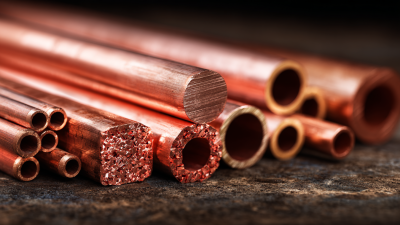
Moreover, water usage during the production process deserves attention. Sustainable practices emphasize closed-loop systems to conserve water. Many factories are hesitant to invest in these systems due to initial costs. Yet, long-term benefits often outweigh these expenses. As the demand for Copper Tube Extrusions rises, aligning production with sustainable practices becomes increasingly important.
This chart illustrates the projected percentage of sustainable practices adopted in CNC machined copper extrusion production globally by 2026.
The CNC machined copper extrusions market is evolving rapidly. Many countries are experiencing a surge in demand for Copper Alloy Extrusions. They are prized for their excellent conductivity and corrosion resistance. Analysts predict this market will grow significantly by 2026. Emerging economies are contributing to this growth. Their industrial sectors increasingly require efficient and durable components.
Tips: When working with copper alloy extrusions, ensure your designs account for thermal expansion. This can prevent issues during the manufacturing process. Also, consider the environmental impact of sourcing copper. Sustainable practices should be a priority for all industry players.
Investors must also watch global collaborations. Partnerships between manufacturers can lead to improved technology. This may enhance production techniques and lower costs. Keep an eye on trends, like automation in CNC machining. These advancements will shape the industry’s future. Embracing innovation while maintaining product integrity is crucial for success in this market.
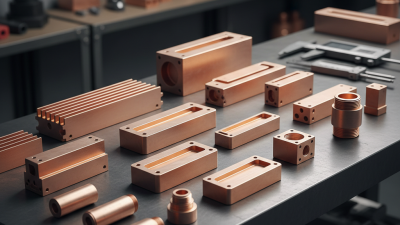
CNC milling has revolutionized the production of industrial parts, making them indispensable for enhancing the efficiency and precision of machinery across various sectors. By leveraging Computer Numerical Control technology, manufacturers can produce components that are not only accurate but also adhere strictly to tolerances. This high level of precision is essential, as even minor discrepancies can lead to inefficiencies or failures in machinery operation. CNC milling enables the fabrication of complex shapes and details, which are often required in the manufacture of high-performance equipment.
In addition to their role in production, CNC milled parts are crucial during the maintenance phase of machinery. As industries strive for operational efficiency, the reliability and durability of machine components become paramount. CNC milling allows for the creation of parts that can withstand harsh operating conditions, thereby extending the lifespan of machinery and reducing downtime. By investing in high-quality CNC milled parts, companies can ensure that their machinery operates at peak performance levels, ultimately leading to improved productivity and cost-effectiveness.
: The need for lightweight and efficient materials in automotive and aerospace sectors drives demand.
Manufacturers struggle to maintain quality while managing production costs effectively.
Implementing stringent quality control measures and regular audits can help mitigate defects.
About 15% of companies reported issues with tolerance levels in their copper extrusions.
Many buyers prefer eco-friendly practices, which can enhance a brand's reputation.
Buyers should research manufacturers' strengths, weaknesses, and verify materials’ purity before deciding.
Advanced machinery can enhance output but may lead to quality inconsistencies.
A well-equipped team can adapt to market changes, ensuring competitiveness.
Buyers need to test samples to confirm the purity of copper claims.
While it poses challenges, it also presents opportunities for well-informed buyers.
The article "2026 Best Cnc Machined Copper Extrusions for Global Buyers" explores the anticipated trends and developments in the CNC machined copper extrusions market. It highlights key factors that influence the quality of these extrusions, such as material selection and manufacturing processes. In 2026, various industries will leverage CNC machined copper extrusions for their superior performance and versatility, with a focus on sustainable production practices becoming increasingly vital.
Furthermore, the article compares leading manufacturers in the field, analyzing their contributions to the market and the performance metrics that define success in this sector. Projections indicate a promising growth trajectory for CNC machined copper extrusions, emphasizing their role in meeting the demands of an evolving industrial landscape while adhering to sustainability standards.